How to Create a Signature Style for Your Cafe
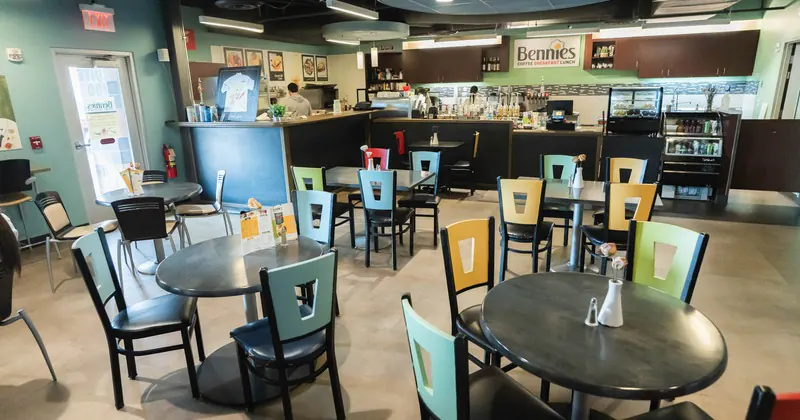
A memorable cafe rarely wins people over on coffee alone. The espresso can be excellent, the pastries fresh, the music pleasant, and still the place feels interchangeable. What separates the cafe people recommend from the one they forget is usually style, not in the shallow sense of trendy decor, but in the deeper sense of identity made visible. A signature style tells customers what kind of experience they are about to have before they take the first sip.
That kind of clarity does not happen by accident. It comes from making a long series of connected choices, then refusing the tempting detours that dilute them. Owners often think style begins with interior design, but in practice it starts earlier. It starts with what you believe your cafe should feel like at 8:00 a.m. On a rainy Tuesday, what kind of regulars you want to attract, how your team should speak to guests, and what should be instantly recognizable even if someone sees your brand for three seconds on a phone screen.
I have seen cafes spend heavily on a beautiful fit-out and still fail to create a distinct impression. I have also seen modest spaces with secondhand chairs develop a following because every detail pointed in the same direction. Signature style is less about budget than coherence.
Start with the kind of place you actually want to run
The most common mistake is chasing an aesthetic before defining the business. Someone saves a folder of references, likes Scandinavian minimalism, notices a competitor doing nostalgic diner branding, then tries to combine both with a luxury pastry program and a neighborhood price point. The result is not eclectic. It is confusing.
A stronger approach is to answer a harder question: what is the emotional contract of your cafe? Are you promising speed and precision for office workers? Warmth and familiarity for local families? A quiet refuge for readers and freelancers? A lively social room where food, coffee, and conversation carry equal weight? Each answer leads to a different style language.
A useful exercise is to describe your cafe in plain human terms rather than design jargon. You might say, “I want this place to feel like the corner bakery people rely on every day, but with the coffee standards of a specialty shop.” Or, “I want guests to feel slightly transported, as if they found a tucked-away European all-day cafe without the stiffness that often comes with that idea.” Those sentences are not marketing copy. They are decision filters.
Once that core identity is clear, you can begin to build outward. Without it, every future choice becomes vulnerable to trends, supplier influence, and personal whims that do not serve the business.
Signature style lives in behavior as much as visuals
Many owners reduce style to branding, furniture, and packaging. Customers do not. Guests experience a cafe with all five senses and with their social instincts fully engaged. They notice how long they wait to be acknowledged. They notice whether the menu bennies.cafe Cafe language sounds sharp and confident or vague and overworked. They notice if the lighting matches the hour, if the music fights the room, if the pastry case looks abundant or picked over.
A cafe with a true signature style feels consistent because the visual cues and the human cues reinforce each other. A polished, design-forward room paired with sloppy service creates friction. So does a brand that speaks like a handcrafted neighborhood institution while staff rush through transactions as if they are working in an airport kiosk.
One independent cafe I visited years ago had a narrow bar, six tables, and no expensive design elements to speak of. What it did have was a completely legible point of view. The room smelled faintly of citrus and coffee, the ceramics were weighty and slightly imperfect, the menu was short, the team moved calmly even at peak, and every recommendation sounded personal rather than scripted. You could have removed the logo and still known exactly what sort of place it was. That is style working at a structural level.
Let your location shape the expression, not the identity
A cafe in a commuter district needs different operational rhythms than one near a park or university. A neighborhood with high rents and heavy foot traffic might reward quick service, durable materials, Cafe and a menu engineered for throughput. A destination cafe in a quieter area can afford a slower reveal and a stronger emphasis on dwell time. These realities should shape how your style is expressed, but they should not erase your core identity.
This is where judgment matters. If your concept is rooted in quiet hospitality and crafted drinks, but your site has a morning rush line that regularly extends out the door, you do not abandon your style. You adapt it. You might streamline the menu board, tighten bar flow, and build a grab-and-go set that reflects your standards without slowing the queue. The style remains intact because the choices still feel like you.
Too many owners misread local pressure as a reason to become generic. In practice, a signature style usually becomes more valuable in competitive areas. If customers can get coffee from six places within a three-minute walk, they need a reason to become loyal to yours.
Build a visual language with restraint
Visual identity matters because it is the quickest way customers decode who you are. The trap is trying to make every surface speak at once. Signature style is rarely loud. It is usually disciplined.
Begin with a small set of recurring decisions. Choose a color palette that supports the mood rather than competes with it. Decide whether your typography should feel classic, playful, austere, literary, or modern. Think about materials that age well and match your pace of service. A busy cafe using delicate finishes often ends up looking tired within months. By contrast, timber, stone, enamel, brushed metal, and well-chosen tile often gain character over time if maintained properly.
Scale matters more than many people realize. A cafe can have beautiful details and still feel wrong if proportions are off. Tiny tables in a room meant for lingering create tension. Oversized seating in a tight-service environment slows turnover and frustrates staff. Lighting deserves special care here. Bright overhead lighting may help cleaning and open-hour visibility, but if it remains harsh all day, the room never develops warmth. Layered light, especially in late afternoon and evening, can do more for a cafe’s signature feel than an expensive mural.
There is also real value in leaving some things plain. When every corner is “Instagrammable,” nothing feels grounded. Guests tend to trust spaces that have confidence not to overexplain themselves.
Your menu is one of your strongest style statements
Customers often understand your identity most clearly through what you choose not to serve. A sprawling menu usually signals uncertainty. A focused one suggests standards.
If your cafe is built around seasonal produce, let that show in the pastry case, the savory offering, and the specials board. If you care most about coffee craftsmanship, make that obvious in the calibration, milk texture, and clarity of your menu descriptions. If you want to be known as a neighborhood all-day cafe, then your food needs enough depth and consistency to support repeat visits, not just decorative appeal.
Naming matters too. Menu language should sound like your place. Some cafes try so hard to sound elevated that the menu becomes stiff and tiring to read. Others go too casual and flatten anything distinctive they might have had. The right tone depends on the concept, but precision always wins. “Roasted mushroom toast with whipped ricotta, thyme, and lemon” tells a customer something useful. “Artisanal seasonal toast experience” tells them almost nothing.
Portioning, plating, and vessel choice all contribute to signature style. A cappuccino served in a thick cup with a saucer sends a different message than one served in glass. A pastry wrapped in crisp paper feels different from one dropped into a generic bag. These are not superficial points. Repeated thousands of times, they define your cafe in the customer’s memory.
Create sensory consistency
People remember atmosphere physically. They may not be able to describe why a cafe felt right, but their bodies register it. This is where many businesses miss a chance to become distinctive.
Think carefully about scent. Coffee naturally provides a powerful baseline, but competing smells can work against you. Strong bleach during service hours, greasy kitchen odors drifting front of house, or heavily perfumed candles can distort the experience. Sound deserves equal attention. A playlist should support the room’s energy, not impose a separate personality on it. The right volume at 7:30 a.m. Is rarely the right volume at 2:00 p.m. Acoustics matter too. Hard surfaces can make a small, busy cafe sound chaotic even when service is competent.
Texture and touch are quieter but equally important. A heavy menu stock, a cup with a comfortable lip, chairs that suit the expected length of stay, a front door handle that feels solid in the hand, these details create impressions that customers do not consciously catalog, yet they influence whether the cafe feels cared for or improvised.
Temperature is another often-neglected variable. I have watched beautifully designed spaces empty out because they were slightly too cold in winter or trapped heat near the espresso machine in summer. No visual style compensates for physical discomfort.
Train your team to express the style without acting
Staff scripting often backfires because customers can hear when service language has been pasted on top of the real culture. Signature style should guide behavior, but it should not turn people into actors reciting lines.
Instead, translate the style into a few practical service principles. A calm, design-led cafe might train for measured pacing, concise menu knowledge, and graceful table maintenance. A lively neighborhood cafe might emphasize recognition of regulars, quick warmth at the register, and flexible recovery when families or groups create unpredictability. Both can provide excellent service, but the texture of that service will differ.
Here are five operational questions worth using in staff training:
- How should a guest be greeted in the first ten seconds?
- What tone should recommendations carry, expert, friendly, brisk, or conversational?
- What details are non-negotiable in drink presentation and handoff?
- How should staff handle a rush without changing the emotional feel of the room?
- What recovery steps fit the brand when something goes wrong?
That last point matters more than owners sometimes think. Mistakes reveal the real culture of a cafe. A signature style feels durable when the team can recover with the same character the brand projects on its best day.
Design for repeatability, not just opening week impact
A lot of cafes feel cohesive at launch because everything is new. Six months later, the pastry labels are inconsistent, plant choices have not survived, replacement cups do not match the originals, and the branded tone on social media has drifted into whatever the last staff member felt like posting.
A signature style must survive operational reality. That means choosing elements your team can maintain under pressure. If your concept depends on meticulous garnish work for every drink, you need labor capacity and bar systems to support it. If your aesthetic relies on a spotless pale interior, you need cleaning routines and materials that do not show wear immediately. If your menu changes frequently, someone must own the discipline of rewriting descriptions, reprinting materials, and briefing the team.
This is where owners should be practical rather than romantic. Some beautiful ideas are simply too fragile for a high-volume cafe. Others become stronger with wear. Solid timber counters, matte ceramics, brass that patinas well, and a menu framework that can flex seasonally tend to age with dignity. Style that depends on perfection usually collapses first.
Packaging, signage, and digital presence should feel like the same cafe
Customers meet your cafe long before they walk in. Sometimes they find you through a map listing, a tagged post, a takeaway cup in someone else’s hand, or a sandwich board glimpsed from across the street. If those touchpoints feel disconnected from the in-store experience, trust weakens.
Your digital voice should mirror the room. If the cafe itself is thoughtful and understated, constant gimmicky captions will feel false. If the brand is warm and neighborhood-driven, cold product photography on blank backgrounds will miss the point. Even practical things such as order confirmation screens, online menu formatting, and reply tone in direct messages contribute to signature style.
The same goes for signage. Exterior signs should be readable and appropriate to distance and speed of traffic. Interior signs should solve problems without cluttering the space. A common mistake is over-signing because operations were not thought through. If you need notices everywhere to explain how ordering works, where to queue, where to collect, where not to sit, and what not to touch, the system itself probably needs redesign.
For takeaway-heavy cafes, packaging becomes part of the brand in a serious way. Cup color, lid quality, sleeve design, bag stock, and sticker use all affect perception. Customers carry those items into offices, cars, sidewalks, and homes. In effect, your packaging keeps representing the cafe after the customer has left.
Style is partly defined by what you refuse
A signature style gets sharper when you know your boundaries. Not every trend deserves adoption. Not every customer request should become a permanent menu addition. Not every collab suits your business, even if it promises short-term attention.
This is uncomfortable because saying no can feel risky, especially in the early years. But cafes that become truly distinctive usually have a few firm refusals behind them. They may decline oversized menus, bright neon elements that clash with the room, heavily discounted promotions that bring the wrong traffic, or social media ideas that would cheapen a carefully built identity.
That does not mean becoming rigid. It means learning the difference between evolution and drift. Evolution deepens your style. Drift blurs it.
A simple way to test decisions is to ask whether the choice would make your best regular say, “That feels even more like them,” or, “That seems random.” Regulars are often the clearest readers of brand coherence because they experience the cafe repeatedly over time.
Test your style in the ordinary hours
Opening events and Saturday peaks can be misleading. A signature style should hold on a wet Wednesday afternoon, during a quiet mid-morning lull, and in the final service hour when the team is tired. If the place only feels special when it is crowded or freshly staged, the style is not yet embedded.
Walk the room at different times. Order as a customer would. Sit near the door, then near the toilets, then at the least flattering table. Check whether the music, lighting, smell, speed of service, table clearing, and product display still tell the same story. Some of the best style adjustments are unglamorous. A better under-counter storage plan, a tighter pastry replenishment routine, or a clearer till script can do more for perceived identity than a new paint color.
If possible, watch first-time guests. They reveal where the style is legible and where it is not. Do they understand where to order? Do they hesitate over the menu because the offer is unclear? Do they photograph one specific area because that is the only part that feels intentional? Observing those moments is more useful than asking broad questions like whether they liked the vibe.
The strongest cafes feel inevitable
When a cafe has a signature style, nothing feels accidental, yet nothing feels overworked. The room, the menu, the service, the branding, and the daily rituals all seem to belong to the same place. That sense of inevitability is what customers respond to. They may call it charm, atmosphere, polish, warmth, or character, but underneath those words is coherence.
Creating that coherence takes patience. You rarely discover it in one design sprint or one branding exercise. More often, you refine it through use, noticing what rings true, removing what feels borrowed, and tightening the connection between your standards and the customer experience. The best cafe style is not a costume. It is the visible form of a business that knows itself.
Bennies Cafe
17230 Jackson Creek Pkwy Ste 100, Monument, CO 80132
+1 719-445-0660
FAQ About Cafe
What is considered a café?
A café is generally an informal place to enjoy refreshments and a meal. Bennies Cafe in Monument serves breakfast and lunch in a counter-service setting, with options including eggs Benedict, sandwiches and crepes. Guests can eat in or arrange pickup.
What is the difference between a coffee shop and a café?
The terms often overlap. A coffee shop usually emphasizes coffee and other drinks, while a café may offer a broader food menu. Check the individual establishment's menu rather than relying on its name. Bennies Cafe offers coffee drinks alongside breakfast and lunch dishes.
What is the difference between café and coffee?
In everyday English, a café is a place where people buy food and drinks, while coffee is the beverage. The word café comes from the French word for coffee. Bennies Cafe serves options such as brewed coffee, espresso and lattes as part of its drinks menu.